By The Husted Team
Summerville, SC, earns its nickname — "Flower Town in the Pines" — and then some. The town has grown significantly over the past decade, but it has held onto the qualities that make it worth putting down roots here: a walkable, historic downtown, genuine community character, easy access to the outdoors, and a food scene that keeps getting better. Whether you've just moved here or you've lived here for years, there's always more to discover. Here's a look at what makes living in Summerville so good.
Key Takeaways
- Historic downtown Summerville offers walkable dining, shopping, and year-round community events
- Azalea Park and Colonial Dorchester State Historic Site give residents two very different ways to connect with the area's natural and historical character
- The Flowertown Festival draws more than 200,000 visitors each year and is one of the top events in the Southeast
- Summerville's location gives residents quick access to Charleston and the coast without sacrificing the feel of a true community
Explore Historic Downtown Summerville
Downtown Summerville is the kind of place that rewards a slow morning. The streets are lined with locally owned shops, galleries, and restaurants, and the tree canopy that shades the sidewalks makes even a simple errand feel a little different than it does in a strip mall suburb. South Main Street is the center of activity, and it connects seamlessly to Azalea Park, which gives the whole downtown a green, open quality that's increasingly hard to find.
Dining downtown runs the full range — from casual spots serving Lowcountry staples to more refined options that could hold their own in Charleston. Bexley Fish & Raw Bar has become a local standout for seafood, and Page's Okra Grill keeps a loyal following with its comfort food and consistent quality.
What to Do in Downtown Summerville
- Walk South Main Street and browse the mix of boutiques, antique shops, and art galleries
- Catch live music and seasonal events in the downtown area throughout the year
- Dine at locally owned restaurants ranging from casual Lowcountry fare to upscale dining
- Visit Azalea Park, a 16-acre public green space at the heart of downtown featuring walking paths and bronze sculptures
Visit Azalea Park and the Flowertown Festival
Azalea Park is Summerville's most beloved public space, and it earns that status. The park's 16 acres were acquired by the Civic League — the precursor to the Flowertown Garden Club — in the 1920s and donated to the town, with development taking place during the Great Depression under Mayor Grange Cuthbert. Today, the park's mature plantings, walking paths, and bronze sculptures installed through the Sculpture in the South program make it one of the most distinctive small-city parks in the region.
Every spring, Azalea Park serves as the centerpiece of the Flowertown Festival — one of the Top 20 events in the Southeast, according to the Southeast Tourism Society. The three-day arts and crafts festival, hosted by the Summerville Family YMCA since 1973, draws more than 200,000 visitors and features over 300 arts and crafts vendors, food, live entertainment, and a kids' area. The festival runs along South Main Street and throughout Azalea Park each March.
Azalea Park and Flowertown Festival Highlights
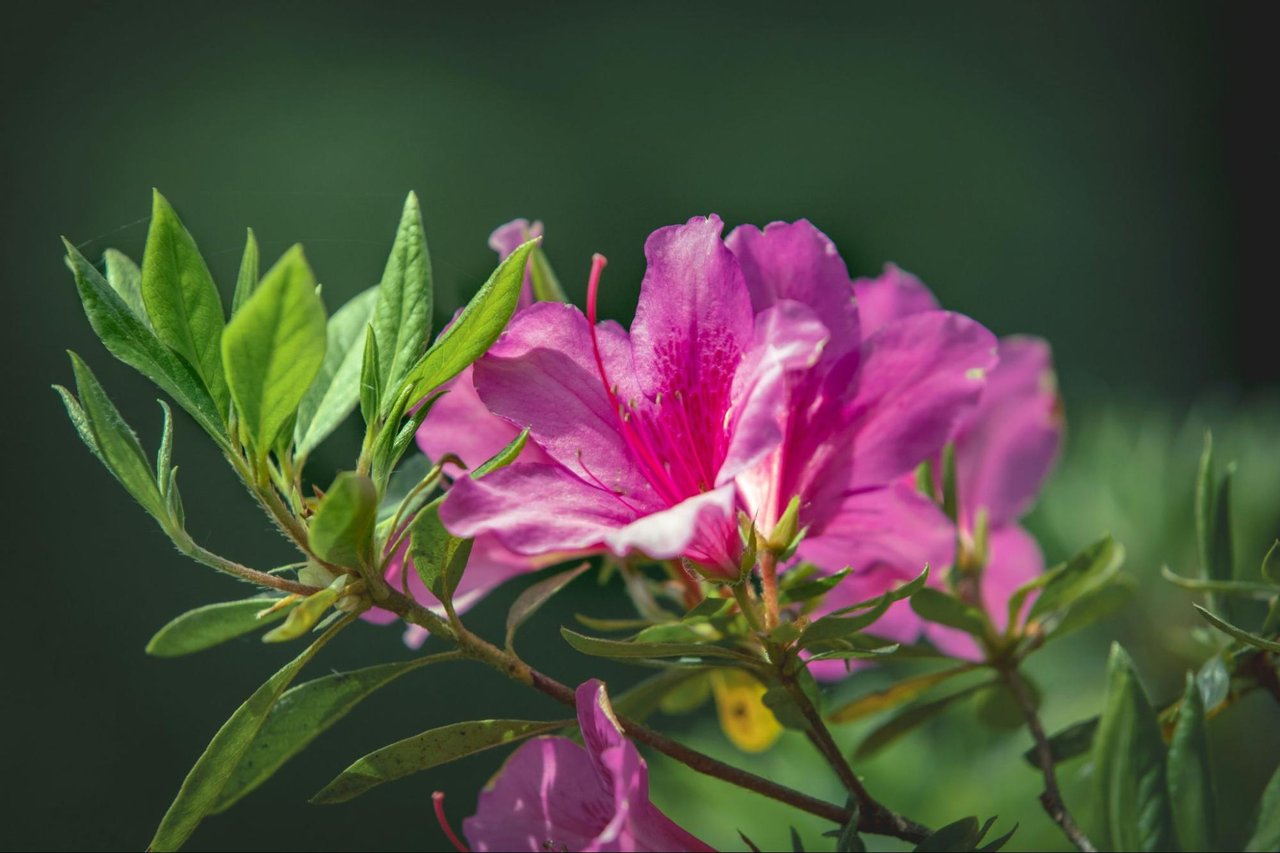
- 16-acre park with mature azaleas, wisteria, and dogwoods at peak bloom each spring
- Bronze sculpture installations throughout the park via the Sculpture in the South program
- Flowertown Festival: three days every March, more than 200,000 visitors, 300+ vendors
- Free admission to the festival, which serves as the Summerville Family YMCA's premier annual fundraiser
Explore Colonial Dorchester State Historic Site
For residents who want to understand where Summerville came from, Colonial Dorchester State Historic Site tells the story. The 325-acre site along the Ashley River preserves the archaeological remains of Dorchester, a colonial trading town that flourished from 1697 until it was abandoned at the start of the Revolutionary War.
Visitors can walk the grounds and see the ruins of Fort Dorchester — a tabby fort constructed in 1757 from a concrete-like material made of oyster shells — along with the standing brick bell tower of St. George's Anglican Church, originally built between 1719 and 1720, and the remains of an 18th-century wharf visible at low tide. The site was added to the National Register of Historic Places in 1969 and is managed by the South Carolina State Park Service.
What to See at Colonial Dorchester
- Tabby Fort Dorchester, described as the best-preserved tabby fortification in the United States
- The brick bell tower of St. George's Anglican Church, standing since the early 18th century
- Ruins of an 18th-century wharf along the Ashley River, visible at low tide
- Active archaeological excavations that continue to uncover the town's colonial history
- Walking trails through 325 acres of riverfront and forested terrain
Get Outside: Parks, Trails, and Recreation
Summerville's position in the Lowcountry gives residents ready access to the outdoors, and the town has invested in parks and recreation to match the area's growth. Beyond Azalea Park, Gahagan Park offers athletic fields, a playground, and walking trails that make it a hub for active residents. The greater Summerville area also provides easy day-trip access to Charleston's beaches, the ACE Basin, and the Francis Marion National Forest for hiking, kayaking, and wildlife watching.
Outdoor Recreation Options Near Summerville
- Gahagan Park: athletic fields, walking trails, and a playground convenient to the surrounding neighborhoods
- James Allen Park: a green space in Summerville for outdoor activities and walking
- Day trips to the ACE Basin, one of the largest undeveloped estuaries on the East Coast
- Easy access to Charleston and the surrounding coast for beaches, water activities, and outdoor dining
FAQ
What is the Summerville Farmers Market and when does it run?
The Summerville Farmers Market runs every Saturday from 8 a.m. to 1 p.m., April through November, in the First Citizens Bank parking lot behind Town Hall at 200 South Main Street. Local farmers, growers, artisans, and specialty food vendors set up each week, with live music in the Market Café from 10 a.m. to 1 p.m.
How far is Summerville from Charleston?
Summerville is approximately 25 to 27 miles from Charleston by car, making it an easy commute and a practical base for residents who want more space without giving up access to the city.
What outdoor activities are available near Summerville?
The greater Summerville area connects residents to the ACE Basin — one of the largest undeveloped estuaries on the East Coast — as well as the Francis Marion National Forest, which offers hiking, kayaking, and wildlife watching. Charleston's beaches are also within easy driving distance for a day trip.
Discover Summerville With a Team That Knows It Well
There's a lot to love about life in Summerville, SC, and we've been helping buyers and sellers navigate this community for years. If you're thinking about making a move, reach out to us, The Husted Team, and let's talk about what living here really looks like.